Buy cuty.eu ?
We are moving the project
cuty.eu .
Are you interested in purchasing the domain
cuty.eu ?
domain@kv-gmbh.de · 0541-91531010
Buy cuty.eu ?
What are amphibians worth?
Amphibians are incredibly valuable to ecosystems as they play a crucial role in maintaining the balance of various food chains. They help control insect populations, serve as prey for other animals, and contribute to nutrient cycling. Additionally, they are indicators of environmental health, as their sensitivity to changes in their habitats can signal broader ecological issues. Overall, amphibians are worth protecting not only for their intrinsic value but also for the benefits they provide to the environment. **
Are turtles reptiles or amphibians?
Turtles are reptiles. They are cold-blooded vertebrates with scales or shells, and they lay eggs on land. While amphibians also lay eggs, they have smooth, moist skin and typically undergo a metamorphosis from water-dwelling larvae to land-dwelling adults, which is not the case for turtles. **

Similar search terms for Amphibians
Top-Angebote
Products related to Amphibians:




-
What are reptiles and amphibians?
Reptiles are cold-blooded vertebrates that have scales or scutes covering their bodies. They lay eggs on land and breathe air through lungs. Examples of reptiles include snakes, lizards, turtles, and crocodiles. Amphibians are also cold-blooded vertebrates, but they have smooth, moist skin and typically undergo metamorphosis from aquatic larvae to terrestrial adults. They lay eggs in water and breathe through gills as larvae and lungs as adults. Examples of amphibians include frogs, toads, salamanders, and newts. **
-
Is boat varnish safe for amphibians?
Boat varnish is not safe for amphibians. Varnish contains chemicals and solvents that can be toxic to amphibians if they come into contact with it. These chemicals can be absorbed through the skin or ingested, leading to health issues or even death for amphibians. It is important to use amphibian-safe products when working around amphibians to ensure their health and safety. **
-
Which invasive species are endangering amphibians?
One invasive species that is endangering amphibians is the American bullfrog (Lithobates catesbeianus). These bullfrogs are aggressive predators and compete with native amphibians for resources, leading to declines in native populations. Another invasive species that poses a threat to amphibians is the chytrid fungus (Batrachochytrium dendrobatidis), which causes the disease chytridiomycosis and has been linked to population declines and extinctions of amphibian species worldwide. Both of these invasive species are contributing to the decline of amphibian populations globally. **
-
Can amphibians get hurt by stinging nettles?
Yes, amphibians can get hurt by stinging nettles. The stinging hairs on the nettles can cause irritation and discomfort to the skin of amphibians, just like they can for humans. This irritation can affect the amphibian's ability to move and hunt for food. In severe cases, the irritation from stinging nettles could potentially lead to more serious health issues for amphibians. **


Where do reptiles and amphibians come from?
Reptiles and amphibians are believed to have evolved from a common ancestor that lived over 300 million years ago. This ancestor was likely a type of early tetrapod, a four-limbed vertebrate that first ventured onto land. Over time, these early tetrapods diversified into different lineages, eventually giving rise to the reptiles and amphibians we see today. The transition from aquatic to terrestrial habitats played a crucial role in the evolution of these two groups. **
Where do reptiles and amphibians originate from?
Reptiles and amphibians both originated from a common ancestor that lived over 300 million years ago. This ancestor was a tetrapod, which was a type of vertebrate that had four limbs and could live on land. Over time, some tetrapods evolved into reptiles, while others evolved into amphibians. Reptiles and amphibians have since diversified into a wide range of species that inhabit various environments around the world. **
Top-Angebote
Products related to Amphibians:
-
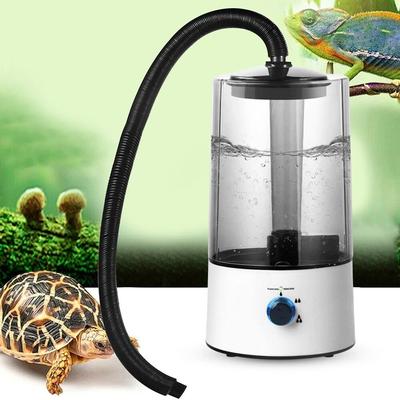
All Categories Goods Ultra Reptile Humidifier & Terrarium Fogger Mister For Amphibians And Herps Ultra Reptile Humidifier & Terrarium Fogger Mister For Amphibians And HerpsA lush, balanced habitat starts with the right moisture and your scaly or slimy companions deserve nothing less. This 1 pc of premium reptile humidifier delivers consistent, gentle humidity tailored for amphibians, reptiles, and delicate vivarium...129,97 $*Shipping: 0,00 $Secure redirect to the provider
-
Uplift Curations 3D Printed Reptile Hide Cave Realistic Shelter Decor For Reptiles & Amphibians 3D Printed Reptile Hide Cave Realistic Shelter Decor For Reptiles & AmphibiansGive your pets a secure and naturallooking retreat with this realistic reptile hide cave shelter. Designed to mimic natural rock formations, this 3D printed reptile habitat creates a safe resting spot while enhancing the look of any terrarium or...60,00 $*Shipping: 0,00 $Secure redirect to the provider
-
What are amphibians worth?
Amphibians are incredibly valuable to ecosystems as they play a crucial role in maintaining the balance of various food chains. They help control insect populations, serve as prey for other animals, and contribute to nutrient cycling. Additionally, they are indicators of environmental health, as their sensitivity to changes in their habitats can signal broader ecological issues. Overall, amphibians are worth protecting not only for their intrinsic value but also for the benefits they provide to the environment. **
-
Are turtles reptiles or amphibians?
Turtles are reptiles. They are cold-blooded vertebrates with scales or shells, and they lay eggs on land. While amphibians also lay eggs, they have smooth, moist skin and typically undergo a metamorphosis from water-dwelling larvae to land-dwelling adults, which is not the case for turtles. **
-
What are reptiles and amphibians?
Reptiles are cold-blooded vertebrates that have scales or scutes covering their bodies. They lay eggs on land and breathe air through lungs. Examples of reptiles include snakes, lizards, turtles, and crocodiles. Amphibians are also cold-blooded vertebrates, but they have smooth, moist skin and typically undergo metamorphosis from aquatic larvae to terrestrial adults. They lay eggs in water and breathe through gills as larvae and lungs as adults. Examples of amphibians include frogs, toads, salamanders, and newts. **
-
Is boat varnish safe for amphibians?
Boat varnish is not safe for amphibians. Varnish contains chemicals and solvents that can be toxic to amphibians if they come into contact with it. These chemicals can be absorbed through the skin or ingested, leading to health issues or even death for amphibians. It is important to use amphibian-safe products when working around amphibians to ensure their health and safety. **
Similar search terms for Amphibians
-
Which invasive species are endangering amphibians?
One invasive species that is endangering amphibians is the American bullfrog (Lithobates catesbeianus). These bullfrogs are aggressive predators and compete with native amphibians for resources, leading to declines in native populations. Another invasive species that poses a threat to amphibians is the chytrid fungus (Batrachochytrium dendrobatidis), which causes the disease chytridiomycosis and has been linked to population declines and extinctions of amphibian species worldwide. Both of these invasive species are contributing to the decline of amphibian populations globally. **
-
Can amphibians get hurt by stinging nettles?
Yes, amphibians can get hurt by stinging nettles. The stinging hairs on the nettles can cause irritation and discomfort to the skin of amphibians, just like they can for humans. This irritation can affect the amphibian's ability to move and hunt for food. In severe cases, the irritation from stinging nettles could potentially lead to more serious health issues for amphibians. **
-
Where do reptiles and amphibians come from?
Reptiles and amphibians are believed to have evolved from a common ancestor that lived over 300 million years ago. This ancestor was likely a type of early tetrapod, a four-limbed vertebrate that first ventured onto land. Over time, these early tetrapods diversified into different lineages, eventually giving rise to the reptiles and amphibians we see today. The transition from aquatic to terrestrial habitats played a crucial role in the evolution of these two groups. **
-
Where do reptiles and amphibians originate from?
Reptiles and amphibians both originated from a common ancestor that lived over 300 million years ago. This ancestor was a tetrapod, which was a type of vertebrate that had four limbs and could live on land. Over time, some tetrapods evolved into reptiles, while others evolved into amphibians. Reptiles and amphibians have since diversified into a wide range of species that inhabit various environments around the world. **
* All prices are inclusive of VAT and, if applicable, plus shipping costs. The offer information is based on the details provided by the respective shop and is updated through automated processes. Real-time updates do not occur, so deviations can occur in individual cases. ** Note: Parts of this content were created by AI.